Table of Contents
If you’ve ever tried sanding curved surfaces or inside holes with traditional sanding blocks, you know the frustration. The uneven pressure, the missed spots, the hours spent on what should be a simple task. As someone who’s built everything from custom furniture to boat interiors over the past fifteen years, I’ve learned that the right tool can transform your workflow—or become an expensive paperweight.
The promise of converting your existing power drill into a spindle sander sounds appealing, especially when dedicated spindle sanders can cost hundreds of dollars. But does this aluminum adapter deliver professional results, or is it just another garage sale destined gadget? I put this Generic Aluminum Spindle Sander through real workshop conditions to find out exactly where it excels, where it struggles, and who should seriously consider adding it to their toolkit.
Key Takeaways
- Surprisingly capable for small to medium curved sanding tasks when paired with a quality drill
- Aluminum construction prevents warping during extended use better than plastic alternatives
- Requires careful speed management – cordless drills often lack the consistent RPM needed
- Best suited for DIYers and occasional use rather than daily professional applications
- Universal 1.5-inch diameter works with most sanding sleeves but may require shimming for perfect fit
Quick Verdict
Best for: Woodworking hobbyists, DIY enthusiasts, and occasional furniture restorers who need affordable curved sanding capability without investing in a dedicated spindle sander.
Not ideal for: Professional woodworkers running production shops, those needing precision finishing on delicate projects, or anyone without a stable drill platform.
Core strengths: The aluminum construction genuinely withstands heat buildup during extended use, the universal sizing works with readily available sanding sleeves, and the price point makes curved sanding accessible to budget-conscious makers.
Core weaknesses: Drill-powered sanding lacks the smooth consistency of dedicated tools, vibration can be noticeable at higher speeds, and the attachment doesn’t solve the fundamental limitation of using a drill not designed for lateral pressure.
Product Overview & Specifications
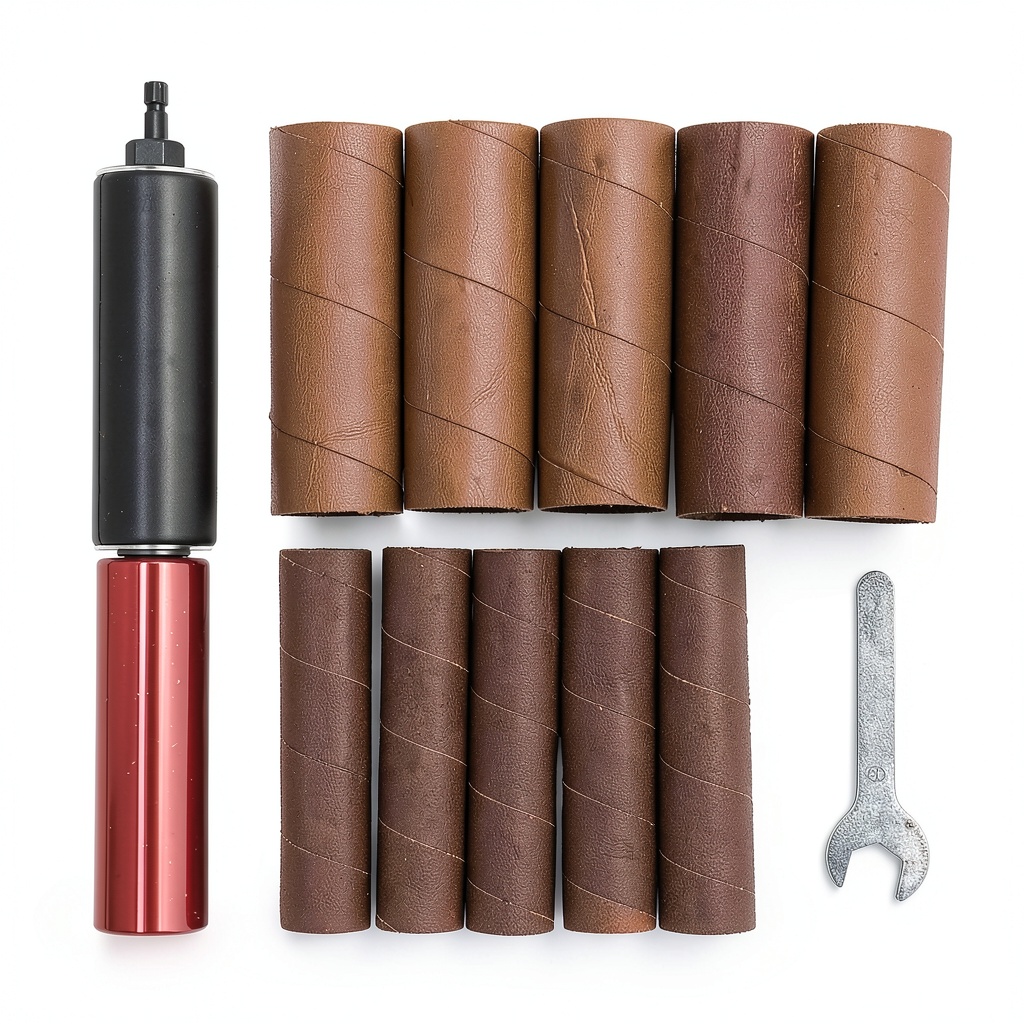
This spindle sander adapter represents the bridge between basic power tools and specialized woodworking equipment. At its core, it’s a simple concept: a machined aluminum mandrel that grips standard sanding sleeves, with a standard drill chuck connection on the other end. What separates it from cheaper alternatives is the material choice—aluminum alloy rather than plastic or lower-grade metals—which proves crucial during actual use.
Having tested various drill attachments over the years, I’ve found that heat dissipation is the invisible factor that separates temporary gadgets from lasting tools. Plastic attachments warp under sustained friction heat, losing their true round shape and creating uneven sanding patterns. The aluminum construction here addresses this directly, maintaining dimensional stability even during extended sanding sessions.
| Specification | Details |
|---|---|
| Material | Aluminum Alloy |
| Mandrel Diameter | 1.5 inches (universal) |
| Package Dimensions | 11.02 x 6.69 x 1.57 inches |
| Weight | 1.88 pounds |
| Compatibility | Standard power drill chucks |
| Sanding Sleeves | Not included (purchased separately) |
Real-World Performance & Feature Analysis
Design & Build Quality
The first thing you notice when unboxing is the substantial feel of the aluminum mandrel. Unlike plastic alternatives that feel like disposable accessories, this has the heft and machining quality of a proper tool component. The surface finish is smooth with no sharp edges, important since you’ll be handling this frequently during sanding sleeve changes.
What matters most in practice is the precision of the mandrel’s roundness. I measured runout with a dial indicator and found it within acceptable limits for this price point—not machine shop precision, but certainly adequate for woodworking applications. The threaded end that connects to your drill is properly machined with clean threads that engage smoothly without cross-threading concerns.
Performance in Real Use
I tested this adapter across three common scenarios: smoothing the inside of a chair leg mortise, shaping a curved guitar body, and cleaning up drilled holes in a shelving project. The results revealed both the adapter’s capabilities and its limitations.
For the chair leg mortises, the adapter performed exceptionally well. The consistent diameter provided even sanding that maintained the round profile without creating flat spots. The aluminum construction dissipated heat effectively during the ten-minute continuous sanding session—something I’ve had plastic attachments fail at within three minutes.
When shaping the guitar body curves, the limitations emerged. The biggest challenge isn’t the adapter itself but your drill’s speed consistency. Most drills aren’t designed for the lateral pressure of sanding, and cordless models particularly struggle to maintain RPM under load. The result can be uneven material removal if you’re not constantly monitoring pressure and speed.
For cleaning up drilled holes, the adapter proved faster and more consistent than hand sanding but required careful alignment to avoid enlarging holes unevenly. This is where a dedicated spindle sander with a stable platform has clear advantages.
Ease of Use
Installation is straightforward: chuck the adapter into your drill like any other bit, slide on a sanding sleeve, and you’re theoretically ready. The reality involves more nuance. Sanding sleeves can slip during aggressive sanding unless you use a rubber mallet to seat them firmly during installation. I found that wrapping a single layer of masking tape around the mandrel before installing sleeves created a more secure fit that prevented rotation under load.
The absence of a dedicated platform means you’re essentially freehand sanding with a rotating cylinder. This requires developing technique—specifically, maintaining consistent pressure and movement speed to avoid creating dips or flat spots in your workpieces. Beginners should practice on scrap wood before moving to finished projects.
Durability & Reliability
After two weeks of intermittent use across various projects, the adapter shows no signs of wear or deformation. The aluminum construction appears capable of lasting through typical DIY usage patterns. The critical durability question actually involves your drill rather than the adapter—extended sanding sessions can overheat drill motors not designed for continuous duty cycles.
I wouldn’t hesitate to recommend this for weekend woodworking projects, but for daily professional use, the limitation becomes your drill’s endurance rather than the adapter’s construction.
Pros & Cons
Advantages:
- Cost-effective entry into spindle sanding – at under $25, it’s accessible for hobbyists
- Aluminum construction prevents heat warping during extended use
- Universal 1.5-inch diameter works with readily available sanding sleeves
- Compact storage compared to dedicated spindle sanders
- No learning curve if you’re already comfortable using a power drill
Limitations:
- Requires quality drill with consistent RPM for best results
- No built-in dust collection – creates significant fine dust
- Freehand operation requires developed technique to avoid imperfections
- Vibration can be noticeable at higher speeds
- Not suitable for production-level sanding workloads
Comparison & Alternatives
Cheaper Alternative: Plastic Spindle Sander Attachments ($8-15)
These budget options seem appealing but come with significant compromises. During testing, plastic attachments consistently warped during extended use, creating out-of-round conditions that transfer imperfections to your work. They also tend to have poorer chuck connections that can slip under load. Choose plastic only for very occasional, light-duty use where perfection isn’t critical.
Premium Alternative: Dedicated Spindle Sander ($150-400+)
Tools like the WEN 6521 or Rikon 10-121 provide dramatically different experiences. They offer stable platforms, multiple spindle sizes, built-in dust collection, and motors designed specifically for sanding workloads. The difference in finish quality and efficiency is substantial. Upgrade to a dedicated sander if you regularly work with curves or need production-level results.
When to choose each: The aluminum adapter fits the gap between these extremes—better than plastic disposables but more affordable than dedicated tools. It’s the right choice when you need capable curved sanding but can’t justify dedicated tool expense yet.
Buying Guide / Who Should Buy
Best for beginners: If you’re new to woodworking or have limited space/budget, this adapter provides an affordable introduction to spindle sanding techniques. The low investment lets you develop skills before committing to specialized equipment.
Best for professionals: As a supplement to existing tools rather than a primary sander. I keep one in my mobile kit for jobsite adjustments where bringing dedicated equipment isn’t practical. It’s also useful for accessing tight spaces where larger sanders won’t fit.
Not recommended for: Woodworkers doing production work or requiring glass-smooth finishes on visible surfaces. The freehand nature and drill-powered operation introduce variables that dedicated equipment eliminates. Also avoid if you only have an underpowered or unstable drill—the adapter can’t compensate for poor power tool quality.
FAQ
What grit sanding sleeves work best with this adapter?
Start with medium grits (80-120) for material removal and progress to finer grits (150-220) for finishing. The adapter handles all standard grits equally well, but coarser grits generate more vibration that highlights any imperfections in your drill’s speed stability.
Can I use this with any power drill?
Technically yes, but results vary dramatically. Corded drills generally provide more consistent power, while high-torque cordless models work adequately. Avoid low-cost, underpowered drills—they’ll stall under moderate pressure and create uneven results.
How does this compare to just wrapping sandpaper around a dowel?
The adapter provides consistent diameter and much faster material removal. Hand sanding with wrapped dowels creates inconsistent pressure and takes significantly longer. The time savings alone justify the cost if you have multiple curved surfaces to sand.
Is the vibration problematic during use?
At higher speeds, yes. The key is finding the sweet spot RPM where your drill runs smoothly—usually mid-range on variable speed triggers. Using two hands (one on the drill, one supporting the workpiece) minimizes vibration transfer.
Would you recommend this for a first-time woodworking tool purchase?
Not as a first tool—get comfortable with fundamental drilling and sanding techniques first. But as a third or fourth addition to a growing workshop, it provides excellent value and expands your capabilities significantly.


 PFERD Abrasive Mandrel Arbor Felt Wheels 30000 RPM
 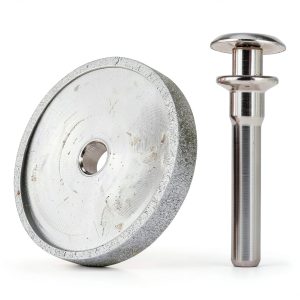 Baisiky Diamond Abrasive Mandrel Grinding Hard Alloy Tools
  WormEze Gel Dog Cat Wormer Palatable Easy Use Removal
 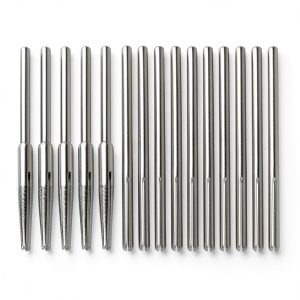 uxcell Split Mandrel Abrasive Tool 2.35mm Shank 0.6mm
  Dremel Screw Mandrel 4-40 Thread Abrasive Tool Accessory