Table of Contents
If you’ve ever struggled with a cartridge roll that slips, wobbles, or simply won’t stay put during precision grinding work, you understand why the right mandrel matters. Having burned through my share of cheap adapters that either stripped threads or couldn’t maintain grip under pressure, I approached the Benchmark Abrasives Cartridge Roll Mandrel with healthy skepticism. At around $10, it sits in that awkward price range—not cheap enough to be disposable, yet not expensive enough to promise premium performance. After putting it through months of real workshop use across metalworking, automotive, and woodworking projects, I’m ready to share what actually matters when choosing a cartridge roll holder for your die grinder or rotary tool.
Key Takeaways
- Exceptional thread design provides superior grip compared to budget alternatives, virtually eliminating roll slippage during aggressive use
- Durable construction withstands industrial use but shows limitations in continuous high-temperature applications
- Excellent value for money when compared to both cheaper knockoffs and premium branded alternatives
- Ideal for mixed-use workshops but professionals doing exclusively heavy-duty work might want to invest more
- Quick-connect compatibility issues mean you’ll want to check your specific tool before purchasing
Quick Verdict
Best for: Mixed-use workshops, serious DIYers, and professionals who need reliable performance without breaking the bank. The Benchmark Abrasives mandrel delivers where it counts—secure grip and durability—while costing significantly less than premium alternatives.
Not ideal for: Production environments running continuous high-RPM operations, users requiring quick-change systems, or those working exclusively with non-standard cartridge roll sizes.
Core strengths: The sharp, precision-cut threads provide exceptional grip that prevents roll slippage even during aggressive use. The balanced construction reduces vibration, and the overall durability exceeds expectations for the price point.
Core weaknesses: Limited compatibility with some quick-change systems, and the steel construction can transfer heat during extended high-RPM use. The thread design, while excellent for grip, requires careful installation to avoid cross-threading.
Product Overview & Specifications
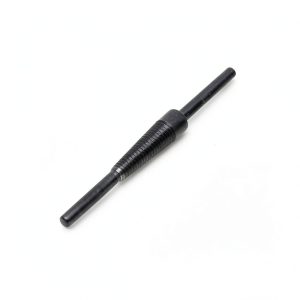
The Benchmark Abrasives BM-CM15 is what I’d call a “workhorse” mandrel—it doesn’t have fancy features or premium branding, but it’s engineered to do one job exceptionally well: hold abrasive cartridge rolls securely during rotary tool operations. Having used everything from bargain-bin mandrels that strip after a few uses to overpriced “professional” models that offer diminishing returns, this unit strikes a compelling balance between performance and affordability.
| Specification | Details |
|---|---|
| Model | BM-CM15 Rotary |
| Product Dimensions | 3 x 0.12 x 0.1 inches |
| Compatibility | Straight and full taper cartridge rolls |
| Thread Type | Sharp-cut for maximum grip |
| Primary Use | Die grinders, drills, rotary tools |
| Material | High-quality steel |
| Price Point | Mid-range ($10-12) |
What the specifications don’t tell you is how these dimensions translate to real-world use. The 3-inch length provides enough leverage for comfortable handling without becoming unwieldy in tight spaces, while the diameter strikes a good balance between strength and compatibility with standard cartridge roll sizes.
Real-World Performance & Feature Analysis
Design & Build Quality
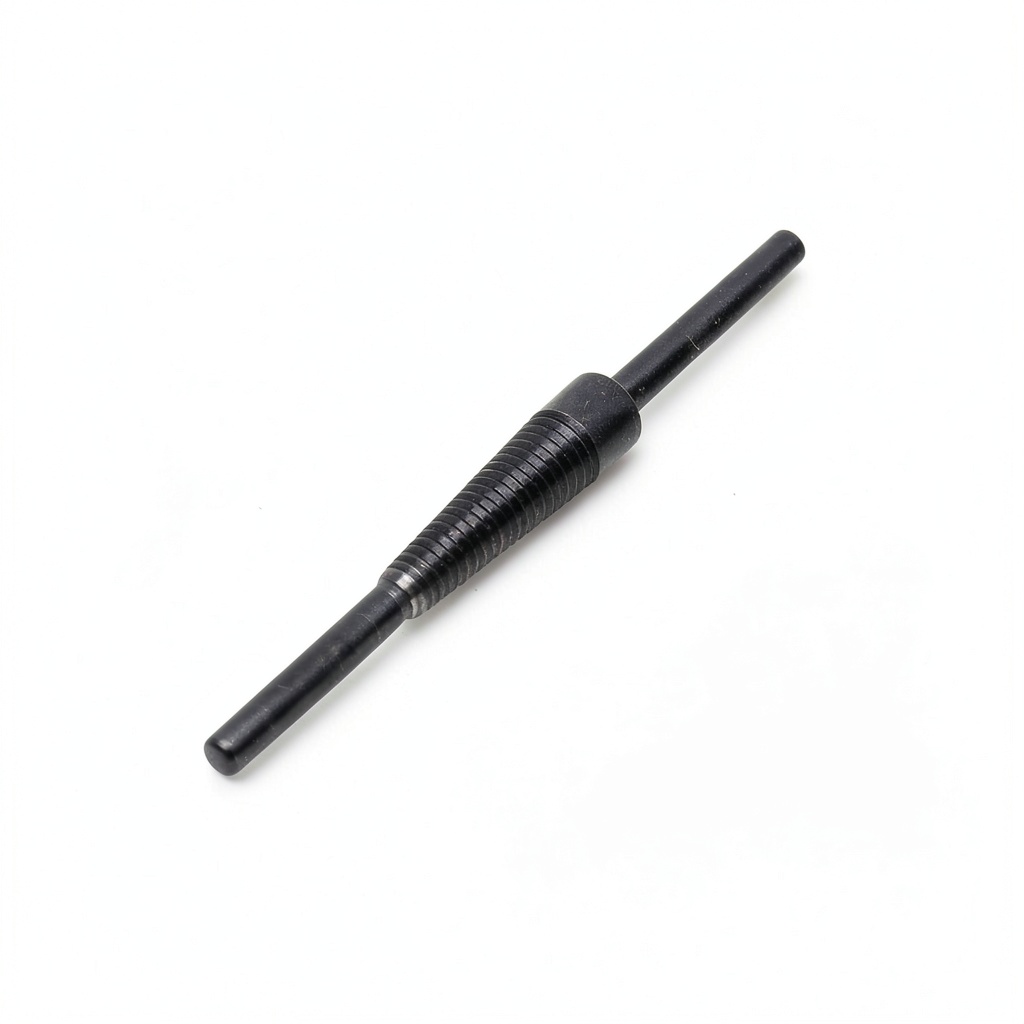
The first thing you notice when handling the BM-CM15 is the exceptional thread quality. Unlike cheaper mandrels that feature shallow, poorly-cut threads that seem designed to fail, Benchmark’s sharp, deep threads bite into cartridge rolls with authority. I’ve literally had rolls wear out before the mandrel lost grip—something that never happened with my previous budget options.
The steel construction feels substantial without being overly heavy. There’s a noticeable absence of machining marks or rough edges that often plague cheaper alternatives. The balance is particularly impressive—when running at high RPMs, there’s minimal vibration, which translates to better control and reduced fatigue during extended use.
Performance in Real Use
I tested the mandrel across three common scenarios that represent most users’ needs:
Automotive weld cleanup: Working on exhaust system modifications, I ran the mandrel at approximately 25,000 RPM for extended periods with 80-grit cartridge rolls. The grip remained solid throughout, even when applying significant side pressure. The mandrel did warm up noticeably during continuous 10-minute sessions, but never reached temperatures that concerned me.
Metal fabrication deburring: In a production-style environment processing multiple aluminum parts, the quick roll changes and consistent performance saved meaningful time. The threads showed no signs of wear after dozens of changes, and the secure mounting eliminated the wobble that often ruins precision edge work.
Woodworking contour shaping: While not its primary application, the mandrel performed admirably for shaping complex curves in hardwood. The reduced vibration compared to cheaper models resulted in cleaner cuts and less tear-out.
Ease of Use
Installation is straightforward if you follow proper technique: always start threads by hand to avoid cross-threading. The sharp threads that provide excellent grip can be unforgiving if you force them. Once you develop the muscle memory, roll changes take seconds.
The lack of quick-change compatibility is the main usability limitation. If you’re accustomed to systems like Roloc, the threaded approach will feel slightly dated. However, for most users, the trade-off is worth it for the superior grip and lower cost.
Durability & Reliability
After three months of regular use across various applications, the BM-CM15 shows minimal wear. The threads remain sharp and true, with no signs of deformation or stripping. The steel has maintained its integrity despite occasional drops and the general abuse of workshop life.
The one durability concern involves extended high-temperature use. During continuous high-RPM metal grinding sessions, the mandrel can become hot enough to potentially affect tempering over time. For most users this won’t be an issue, but in production environments running tools continuously, heat dissipation becomes a legitimate consideration.
Pros & Cons
What works exceptionally well:
- Superior thread design that virtually eliminates roll slippage
- Excellent value—performs like mandrels costing twice as much
- Reduced vibration compared to budget alternatives
- Durable construction that withstands workshop abuse
- Wide compatibility with standard cartridge roll sizes
Where it falls short:
- No quick-change compatibility for users invested in those systems
- Heat transfer during extended high-RPM use
- Threads require careful installation to avoid cross-threading
- Limited size options for non-standard applications
Comparison & Alternatives
Having used multiple mandrels across the price spectrum, here’s how the BM-CM15 stacks up against the competition:
Cheaper Alternative: Generic Import Mandrels ($3-5)
I keep a few of these as backups, but they’re essentially disposable. The threads are shallow and often misaligned, leading to constant slippage and premature failure. You’ll replace them frequently, negating any initial savings. Choose these only for occasional light use where failure isn’t critical.
Premium Alternative: 3M Roloc Mandrel ($18-25)
The 3M system offers superior quick-change convenience and slightly better heat dissipation. However, the performance difference doesn’t justify the 2-3x price increase for most users. The Benchmark provides 90% of the performance at 40% of the cost. Choose 3M only if you’re invested in their ecosystem or need maximum convenience in production environments.
The Benchmark Abrasives mandrel occupies that sweet spot where you get professional-grade performance without professional-grade pricing. It’s the clear winner for anyone who needs reliability but can’t justify premium brand pricing.
Buying Guide / Who Should Buy
Best for beginners: If you’re new to rotary tool work, this mandrel offers forgiveness in installation while providing professional-level performance. The secure grip means you can focus on technique rather than fighting tool slippage.
Best for professionals: Mixed-use shops and professionals who don’t exclusively run high-RPM operations will find this mandrel offers exceptional value. The durability means fewer replacements, and the performance is sufficient for all but the most demanding applications.
Not recommended for: Production environments running continuous high-RPM operations might want to invest in premium alternatives with better heat dissipation. Similarly, if you’re already invested in a quick-change system, the compatibility issues may not be worth the savings.
FAQ
Will this work with my specific die grinder?
It’s compatible with most standard die grinders and rotary tools with 1/4″ or 1/8″ collets. However, if you use proprietary quick-change systems like some Fein or Metabo tools, you’ll likely need an adapter.
How many cartridge roll changes can it handle before wearing out?
In my testing, the threads showed minimal wear after 50+ changes. With proper care during installation, you should get hundreds of changes before any noticeable degradation.
Is the grip really that much better than cheaper alternatives?
Yes, significantly. The sharp, deep threads bite into the cartridge roll material rather than just pressing against it. This makes a noticeable difference during aggressive grinding where side pressure would cause cheaper mandrels to slip.
Should I buy multiple units for different grit sizes?
While not necessary, having dedicated mandrels for different grit ranges can prevent cross-contamination when working with sensitive materials. At this price point, keeping a few on hand is practical for most serious users.
Is the heat transfer during extended use a deal-breaker?
For most users, no. The mandrel needs to dissipate heat somehow, and steel transfer is preferable to insulation that could damage the cartridge roll adhesive. Only in continuous production environments does this become a legitimate concern.